Wine and Photography Tours: Capture the Perfect Instagram Moments
The rise of experiential travel has reshaped the way people explore wine regions. It is no longer just about tasting vintages or learning about terroir; it is about creating moments worth remembering and sharing. Photography-focused wine experiences have become especially popular among travellers who want more than a standard itinerary and who value visual storytelling as much as fine wine.
Set against dramatic mountain backdrops, historic estates, and carefully manicured vineyards, the Cape Winelands offer a naturally photogenic environment. Many visitors are drawn to Franschhoek wine tours not only for their culinary and viticultural prestige, but for the opportunity to capture images that feel curated yet authentic. The region’s balance of rustic charm and understated luxury lends itself perfectly to modern visual platforms.
Wine and photography tours combine creative guidance with immersive tasting experiences. Participants are encouraged to slow down, observe details, and frame scenes with intention. Rather than rushing from one stop to the next, these tours emphasise presence, composition, and the subtle beauty found in light, texture, and atmosphere.
Why Wine and Photography Pair So Well
Wine culture and photography share a similar philosophy. Both reward patience, attention to detail, and an appreciation for nuance. A great photograph, like a great wine, tells a story that goes beyond surface-level appeal.
Vineyards provide a dynamic visual landscape throughout the day. Morning mist rolling over vines, midday sun reflecting off glassware, and golden-hour light filtering through oak trees all offer distinct moods. A photography-focused tour teaches guests how to recognise these shifts and adapt their approach accordingly.
There is also a strong human element. Winemakers, cellar staff, and chefs often become part of the visual narrative. Capturing candid moments during tastings or behind-the-scenes activities adds depth and authenticity to a photo series, making it feel less staged and more personal.
Understanding the Instagram Appeal Without Overdoing It
While social media has driven interest in visually led travel, effective wine photography goes beyond chasing trends. Oversaturated colours, forced poses, and repetitive angles can quickly make images feel generic. A well-designed photography tour addresses this by focusing on storytelling rather than performance.
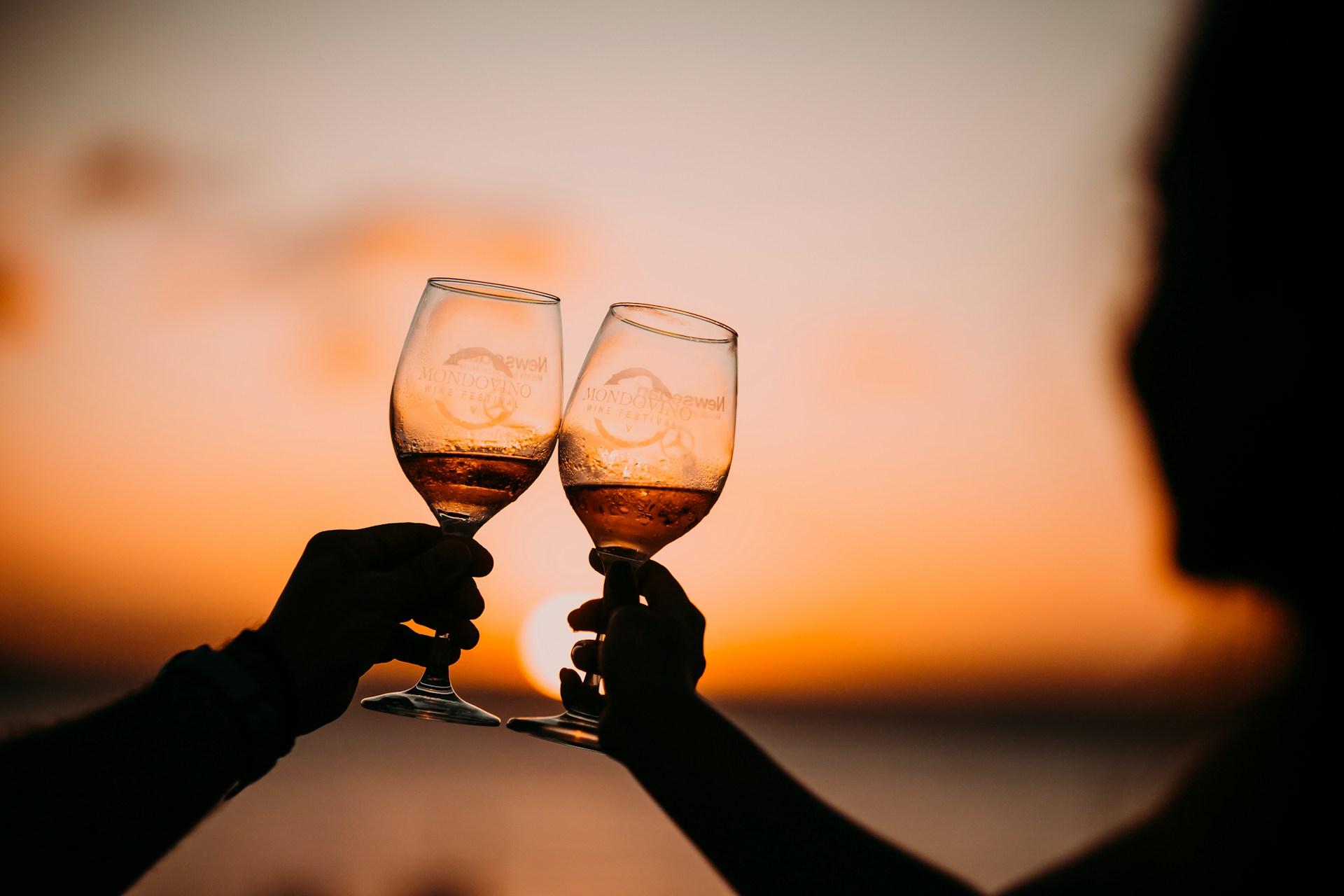
Guests are guided on how to create images that feel natural and timeless. This might include using framing techniques that draw the eye toward vineyard rows or focusing on small details such as condensation on a wine glass or textured barrel wood. These elements create visual interest without appearing overly curated.
Importantly, responsible tours emphasise respect for the environment and the working nature of wine farms. Guests are shown how to photograph discreetly, without disrupting operations or other visitors, which supports ethical tourism practices.
The Role of Professional Guidance on These Tours
One of the defining features of wine and photography tours is access to expert instruction. This does not require professional-level equipment or advanced technical knowledge. Most tours are designed to accommodate smartphone users as well as those with dedicated cameras.
Guides often cover practical topics such as composition, lighting, perspective, and visual balance. They may also offer insights into editing workflows that enhance images while maintaining realism. This educational element adds lasting value, as guests can apply these skills long after the tour ends.
In regions known for premium wine tourism, including Franschhoek wine tours, guides are typically well-versed in both the local wine scene and visual storytelling. This dual expertise ensures that neither aspect feels secondary or rushed.
Locations That Consistently Deliver Standout Images
Certain features make a wine estate especially appealing for photography. Architectural variety is one factor. Historic Cape Dutch buildings, contemporary tasting rooms, and rustic cellars each offer different visual styles within a single location.
Natural elements also play a significant role. Vineyards framed by mountains, shaded gardens, water features, and panoramic viewpoints provide layered compositions that photograph well in multiple conditions. Seasonal changes further influence the visual experience, from lush summer greens to autumnal tones during harvest.
Timing is another consideration. Photography tours are often structured around optimal light conditions, allowing guests to capture images during early mornings or late afternoons when shadows are softer and colours more nuanced.
Creating a Visual Narrative Across the Day
A successful photography tour is not about isolated images. It is about creating a cohesive visual journey. Participants are encouraged to think in terms of sequences rather than single shots.
This might begin with arrival scenes, followed by vineyard walks, tasting moments, and quiet details that convey atmosphere. The day often ends with landscape images that provide a sense of closure and place. When shared as a collection, these photographs tell a complete story rather than feeling disconnected.
This narrative approach aligns well with how modern audiences engage with visual content. It encourages depth, context, and authenticity, all of which contribute to higher-quality engagement online.
Ethical Considerations and Trustworthiness in Wine Tourism Content
From a YMYL perspective, responsible wine tourism content must avoid promoting excessive alcohol consumption or misleading experiences. Photography tours typically emphasise moderation, education, and appreciation rather than indulgence.
Guests are guided through tastings responsibly, with clear communication around quantities and pacing. Water, food pairings, and rest periods are standard components, reinforcing a balanced approach to wine enjoyment.
Transparency is also key. Reputable operators clearly outline what is included, the skill level required, and any physical considerations. This builds trust and ensures that expectations align with reality, which is essential for both safety and satisfaction.
Who These Tours Are Best Suited For
Wine and photography tours attract a diverse audience. While social media creators are an obvious demographic, many participants simply enjoy creative expression and mindful travel.
Couples often appreciate the relaxed pace and shared experience. Solo travellers value the structured yet social environment. Even seasoned wine enthusiasts find value in seeing familiar estates through a new, visually focused lens.
Importantly, these tours are inclusive rather than elitist. The emphasis is on observation and enjoyment, not technical perfection or online validation.
Making the Most of the Experience
Preparation enhances the outcome of any photography-focused tour. Guests are encouraged to dress comfortably, choose neutral or textured clothing that photographs well, and familiarise themselves with basic camera functions in advance.
Remaining flexible is equally important. Weather, light, and spontaneous moments often lead to the most compelling images. A willingness to adapt and experiment tends to produce better results than rigid planning.
Toward the end of many tours, guides highlight a few practical takeaways that participants can continue using:
-
Observing light before lifting the camera
-
Focusing on details as well as wide scenes
-
Prioritising authenticity over trends
-
Editing lightly to preserve natural tones
-
Telling a story rather than chasing perfection
A Lasting Blend of Creativity and Culture
Wine and photography tours offer more than picturesque backdrops. They provide a structured yet relaxed environment in which guests can engage deeply with place, craft, and creativity. The result is not just a collection of attractive images, but a richer understanding of wine culture and visual storytelling.
For those exploring Franschhoek wine tours with a creative mindset, these experiences add an extra layer of meaning to an already celebrated destination. They encourage presence, appreciation, and thoughtful sharing, leaving visitors with both tangible memories and refined skills that extend well beyond the vineyards.