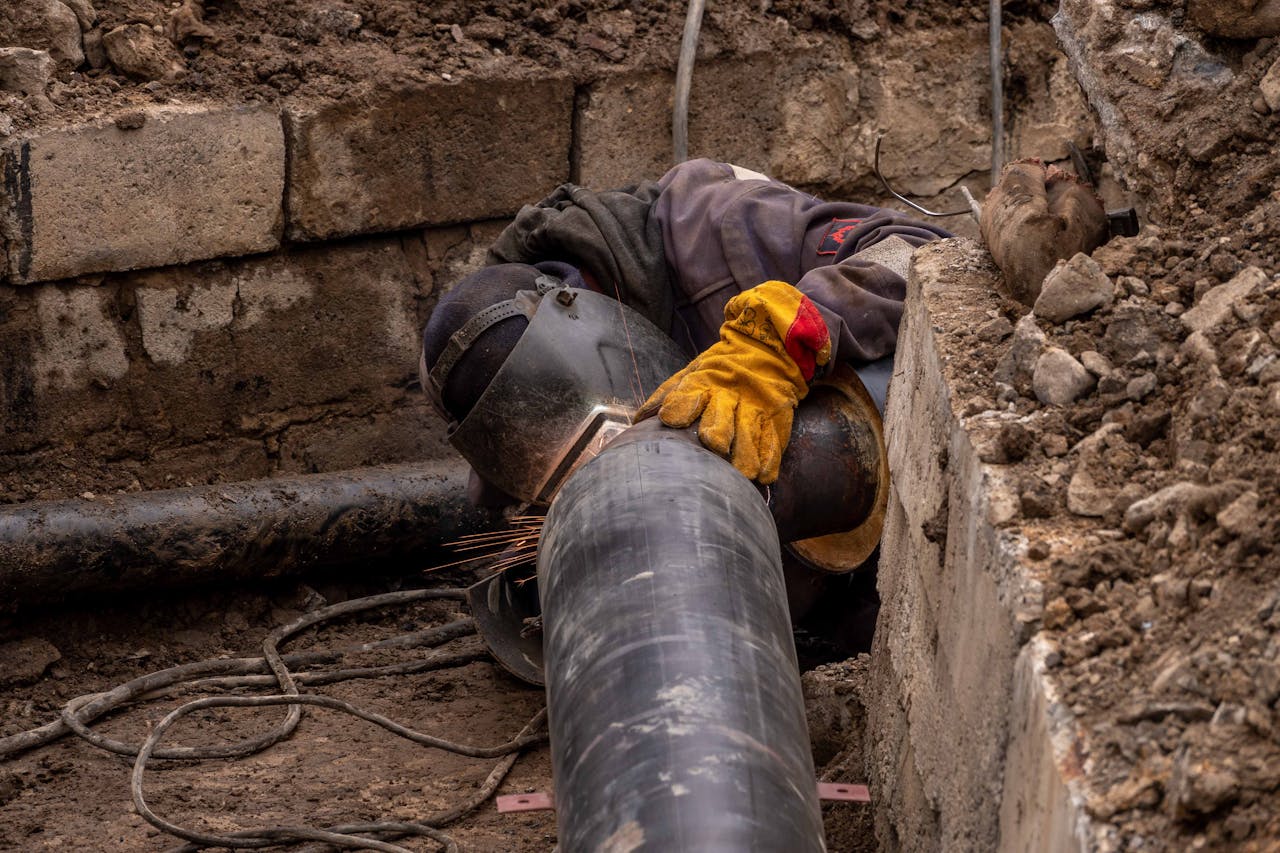
Why Durban Homes Experience More Underground Pipe Failures Than Other Cities
Durban’s coastal charm comes with a hidden cost that many homeowners only discover when it’s too late. Beneath the surface, water infrastructure faces unique environmental pressures that quietly accelerate wear and tear. Over time, these unseen factors combine to create a higher risk of underground pipe failures compared to inland cities.
Property owners often assume plumbing issues are random or purely age-related. In reality, Durban’s specific climate, soil composition, and urban conditions create a perfect storm for pipe degradation. This makes early intervention and professional leak detection in Durban services especially important for protecting homes and preventing costly structural damage.
Understanding why these failures occur more frequently in this region helps homeowners make informed decisions. It also highlights the importance of proactive maintenance rather than reactive repairs, which tend to be far more expensive and disruptive.
Coastal Climate and Its Impact on Underground Infrastructure
Durban’s humid, subtropical climate plays a significant role in underground pipe deterioration. Constant exposure to moisture accelerates corrosion, particularly in older metal piping systems. Even modern materials are not immune, as prolonged damp conditions can weaken joints and seals.
Humidity doesn’t just affect pipes directly. It also alters the surrounding soil, increasing its water retention and density. This added pressure places continuous stress on buried pipelines, gradually compromising their integrity.
Temperature fluctuations further complicate matters. While Durban doesn’t experience extreme cold, subtle shifts between warm days and cooler nights can cause expansion and contraction in materials. Over time, this repetitive movement leads to microfractures that eventually develop into full-blown leaks.
Soil Composition and Ground Movement
The type of soil found in Durban is another major contributor to underground pipe failures. Many areas feature clay-rich soils, which are highly reactive to moisture changes. When wet, clay expands; when dry, it contracts significantly.
This constant swelling and shrinking creates ground movement that exerts pressure on pipes. Unlike stable sandy soils, reactive clay can shift dramatically, bending or cracking pipelines buried within it.
Common soil-related risks include:
- Expansion that compresses pipes and weakens joints
- Shrinkage that leaves pipes unsupported, increasing breakage risk
- Uneven ground movement causing misalignment of pipe sections
- Increased likelihood of root intrusion due to loosened soil structure
These conditions make underground systems far more vulnerable than those in regions with more stable geology.
Aging Infrastructure in Established Neighborhoods
Durban has many older residential areas where plumbing systems were installed decades ago. These systems were not designed to handle today’s water demands or environmental stressors.
Older pipes, particularly those made from galvanized steel or early plastic compounds, degrade over time. Corrosion, mineral buildup, and material fatigue all contribute to reduced performance and increased failure rates.
In many cases, these pipes are nearing the end of their lifespan. Without regular inspections, small issues go unnoticed until they escalate into major underground leaks that affect foundations, driveways, and landscaping.
Modern detection techniques can identify these problems early, but many homeowners delay action until visible damage appears.
High Water Table and Persistent Moisture
Durban’s proximity to the ocean results in a relatively high water table in many areas. This means underground pipes are often surrounded by moisture, even during dry periods.
Constant exposure to water accelerates deterioration in several ways. It promotes corrosion in metal pipes and weakens surrounding soil, reducing support for buried infrastructure. Over time, this creates voids and instability around pipelines.
Persistent moisture also makes leaks harder to detect. Water from a damaged pipe can blend with natural groundwater, masking the problem until significant damage has already occurred.
Tree Roots and Urban Landscaping
Lush vegetation is a hallmark of Durban properties, but it comes with unintended consequences for underground plumbing. Tree roots naturally seek out water sources, making pipes an attractive target.
Even the smallest crack or joint gap can allow roots to enter. Once inside, they expand rapidly, blocking flow and exerting pressure that worsens the damage.
Key root-related issues include:
- Intrusion through minor cracks or weak joints
- Gradual blockage leading to pressure buildup
- Structural damage as roots expand داخل pipes
- Increased likelihood of recurring leaks after temporary repairs
This is particularly common in older suburbs with mature trees and aging infrastructure.
Heavy Rainfall and Stormwater Pressure
Durban experiences intense rainfall, especially during certain seasons. Heavy downpours saturate the ground quickly, increasing pressure on underground systems.
Stormwater infiltration can overwhelm drainage systems and seep into areas surrounding water pipes. This added pressure can expose weak points, causing pipes to crack or shift.
In extreme cases, flooding can wash away supporting soil, leaving pipes suspended and vulnerable. Once unsupported, even minor stress can lead to sudden failure.
These conditions make preventative maintenance essential, particularly before and after rainy seasons.
Poor Installation Practices in Rapid Developments
Urban expansion has led to rapid construction in and around Durban. Unfortunately, not all developments maintain consistent quality standards when it comes to underground plumbing installation.
Improper bedding, inadequate pipe support, and incorrect material selection can all contribute to premature failure. When combined with Durban’s challenging environmental conditions, these flaws become even more pronounced.
Pipes that are not installed with sufficient depth or protection are especially at risk. Over time, external pressures and ground movement expose these weaknesses, leading to leaks that could have been avoided with better initial workmanship.
Increased Water Pressure and Usage Demand
Modern households place greater demand on plumbing systems than ever before. Higher water usage, combined with increased pressure, puts additional strain on pipes—particularly older ones.
In Durban, this issue is compounded by environmental factors. Pipes already weakened by moisture, soil movement, or corrosion are less able to handle sustained pressure.
Small cracks that might remain stable under low pressure can quickly expand under higher loads. This accelerates the progression from minor leaks to significant underground failures.
Why Early Detection Matters More in Durban
Given the combination of climate, soil, and infrastructure challenges, early detection is not just beneficial—it’s essential. Waiting for visible signs often means the damage has already spread beyond the pipe itself.
Professional leak detection Durban services use advanced tools such as acoustic sensors and thermal imaging to locate hidden leaks without excavation. This minimizes disruption while providing accurate diagnostics.
Early intervention helps prevent:
- Structural damage to foundations and walls
- Escalating water bills due to unnoticed leaks
- Soil erosion that destabilizes buildings
- Costly emergency repairs and property restoration
Taking a proactive approach reduces long-term expenses and protects property value.
Practical Steps Homeowners Can Take
While environmental factors can’t be changed, homeowners can reduce their risk through smart maintenance and awareness. Regular inspections and timely upgrades go a long way in preventing major issues.
Simple but effective actions include:
- Scheduling routine plumbing assessments
- Replacing outdated piping materials
- Monitoring water pressure levels داخل the home
- Addressing minor leaks immediately before they worsen
Staying ahead of potential problems is far more cost-effective than dealing with extensive underground damage later.
Durban’s unique conditions make underground pipe failures more common, but they are not unavoidable. With the right knowledge and a proactive mindset, homeowners can significantly reduce their exposure to these risks and maintain a reliable, long-lasting plumbing system.